Frisardi Masticationpedia Network: differenze tra le versioni
Nessun oggetto della modifica |
Nessun oggetto della modifica |
||
| (12 versioni intermedie di uno stesso utente non sono mostrate) | |||
| Riga 1: | Riga 1: | ||
{{main menu | {{main menu it | ||
|link to German= Frisardi Masticationpedia Netzwerk | |link to German= Frisardi Masticationpedia Netzwerk | ||
|link to Spanish= Red Frisardi Masticationpedia | |link to Spanish= Red Frisardi Masticationpedia | ||
| Riga 14: | Riga 14: | ||
}} | }} | ||
<div class="chapter-content"> | |||
<div class="side-by-side"> | <div class="side-by-side"> | ||
<div class="frisardi-nettuno-person"> | <div class="frisardi-nettuno-person"> | ||
| Riga 24: | Riga 21: | ||
'''[[Author:Gianni Frisardi|Gianni Frisardi]]''' | '''[[Author:Gianni Frisardi|Gianni Frisardi]]''' | ||
MD in Medicine and Surgery (1983) and Specialist in Odontostomatology (1987), “La Sapienza” University of Rome. | |||
</div> | </div> | ||
<div class="frisardi-nettuno-person"> | <div class="frisardi-nettuno-person"> | ||
| Riga 31: | Riga 28: | ||
'''[[Author:Flavio Frisardi|Flavio Frisardi]]''' | '''[[Author:Flavio Frisardi|Flavio Frisardi]]''' | ||
Degree in Dentistry (2002), University of Ancona. | |||
</div> | </div> | ||
</div> | </div> | ||
<p class="custom-h1 center" style="padding: 4rem 0;">'''The | <p class="custom-h1 center" style="padding: 4rem 0;">'''The direct social benefit of the Masticationpedia Network'''</p> | ||
By virtue of the intrinsic social vocation of the Masticationpedia project, the Frisardi Dental Center, in coherence with the aims of Anglo-Saxon Charities, makes itself available to citizens through a first social initiative: diagnosis in the field of “orofacial pain”. | |||
It is important to clarify from the outset, in order to ensure transparency of intent, that this initiative is strictly connected to the rigor of Anglo-Saxon laws governing the functioning of Charities. | |||
By law, Charities cannot redistribute profits nor remunerate trustees, who are in fact the founding members. This initiative therefore represents a direct social benefit, and the contribution of the professionals who share it is essentially an ethical and personal choice. Naturally, all activities will be proportionate to the number of patients requesting the service and to the economic resources available to the Charity. | |||
<html> | |||
<div style="text-align:center; margin: 28px 0;"> | |||
<a href="https://donate.stripe.com/dRm28s2r8abBa5X0cJ53O00" | |||
target="_blank" | |||
style=" | |||
display:inline-block; | |||
padding:14px 28px; | |||
font-size:16px; | |||
font-weight:600; | |||
color:#fff; | |||
background:#1a1a1a; | |||
border-radius:6px; | |||
text-decoration:none; | |||
"> | |||
❤️ Support Masticationpedia | |||
</a> | |||
</div> | |||
</html> | |||
🇮🇹 The donation procedure is managed via Stripe (English interface). | |||
---- | |||
</div> | |||
<!-- ===================================================== --> | |||
<!-- CLINICAL PATTERNS (CAROUSEL) --> | |||
<!-- ===================================================== --> | |||
<div class="mp-readable" style="margin:26px auto 0; max-width:1100px; padding:18px 20px; background:#eef3f7;border-radius:14px; border:1px solid #e3e6ee; line-height:1.6;"> | |||
<html> | |||
<blockquote><div> | |||
<big><b>Patient area</b></big><br/> | |||
<span style="color:#6b7686;"> | |||
Recurrent diagnostic scenarios observed within the Masticationpedia Network (not individual case reports). All authorized Network centers employ neurophysiological technologies and methodologies that enable early and accurate diagnosis of conditions that mimic odontogenic symptoms, such as Temporomandibular Disorders and Orofacial Pain, which may sometimes conceal underlying neurological and systemic organic damage. Furthermore, the acquired know-how allows precise control and finalization of orthodontic, prosthetic, and implant-prosthetic treatments optimized according to trigeminal neurophysiological responses, rather than being based solely on parameters of form and aesthetics. | |||
</span> | |||
</div></blockquote> | |||
<html> | |||
<style> | |||
/* --- horizontal scrollbar --- */ | |||
.mp-scrollbar{ | |||
overflow-x:auto; | |||
overflow-y:visible; | |||
-webkit-overflow-scrolling:touch; | |||
padding-bottom:10px; | |||
} | |||
.mp-scrollbar::-webkit-scrollbar{ height:12px; } | |||
.mp-scrollbar::-webkit-scrollbar-track{ background:rgba(0,0,0,.08); border-radius:999px; } | |||
.mp-scrollbar::-webkit-scrollbar-thumb{ background:rgba(0,0,0,.35); border-radius:999px; } | |||
.mp-scrollbar::-webkit-scrollbar-thumb:hover{ background:rgba(0,0,0,.50); } | |||
/* --- card --- */ | |||
.mp-pattern-card{ | |||
text-align:center; | |||
width:250px; | |||
flex:0 0 auto; | |||
display:block; | |||
position:relative; /* geometric reference for tooltip */ | |||
} | |||
.mp-pattern-img{ | |||
width:190px; | |||
height:190px; | |||
border-radius:50%; | |||
object-fit:cover; | |||
display:block; | |||
margin:0 auto 12px auto; | |||
box-shadow:0 6px 14px rgba(0,0,0,.12); | |||
background:#eef2f7; | |||
} | |||
.mp-pattern-title{ | |||
font-size:13.5px; | |||
font-weight:800; | |||
color:#2b2f3a; | |||
line-height:1.15; | |||
margin-bottom:6px; | |||
} | |||
.mp-pattern-tag{ | |||
display:inline-block; | |||
margin-top:8px; | |||
padding:5px 10px; | |||
border-radius:999px; | |||
font-size:10px; | |||
font-weight:700; | |||
background:#eaf2ff; | |||
color:#2f5da8; | |||
border:1px solid rgba(47,93,168,.18); | |||
} | |||
/* ===================================================== */ | |||
/* TOOLTIP (single, clean, centered, readable) */ | |||
/* ===================================================== */ | |||
.mp-tt{ | |||
position:relative; | |||
display:inline-block; | |||
cursor:help; | |||
} | |||
.mp-tt::after{ | |||
content: attr(data-tip); | |||
position:absolute; | |||
left:50%; | |||
bottom:140%; | |||
transform:translateX(-50%); | |||
width:min(360px, 92vw); | |||
padding:12px 14px; | |||
background: linear-gradient(180deg, rgba(250,252,255,.98), rgba(238,242,247,.98)); | |||
color:#111; | |||
border:1px solid rgba(0,0,0,.12); | |||
border-radius:14px; | |||
box-shadow:0 18px 40px rgba(0,0,0,.18); | |||
font-size:13px; | |||
line-height:1.45; | |||
font-weight:600; | |||
text-align:left; | |||
white-space:normal; | |||
overflow-wrap:anywhere; | |||
opacity:0; | |||
visibility:hidden; | |||
pointer-events:none; | |||
z-index:9999; | |||
transition:opacity .18s ease, transform .18s ease; | |||
} | |||
.mp-tt::before{ | |||
content:""; | |||
position:absolute; | |||
left:50%; | |||
bottom:131%; | |||
transform:translateX(-50%); | |||
border:8px solid transparent; | |||
border-top-color: rgba(238,242,247,.98); | |||
opacity:0; | |||
visibility:hidden; | |||
pointer-events:none; | |||
filter: drop-shadow(0 6px 10px rgba(0,0,0,.12)); | |||
transition:opacity .18s ease, transform .18s ease; | |||
} | |||
.mp-tt:hover::after, | |||
.mp-tt:hover::before{ | |||
opacity:1; | |||
visibility:visible; | |||
transform:translateX(-50%) translateY(-4px); | |||
} | |||
/* prevent tooltip clipping */ | |||
.mp-readable{ overflow:visible; } | |||
/* ===== FINAL TOOLTIP PATCH ===== */ | |||
.mp-tt::after{ | |||
box-sizing:border-box !important; | |||
font-size:12px !important; | |||
font-weight:500 !important; | |||
line-height:1.42 !important; | |||
width:min(340px, calc(100vw - 36px)) !important; | |||
max-width:calc(100vw - 36px) !important; | |||
margin-left:10px !important; | |||
} | |||
/* left-edge correction */ | |||
.mp-pattern-card:first-child .mp-tt::after{ | |||
left:18px !important; | |||
transform:none !important; | |||
text-align:left !important; | |||
} | |||
.mp-pattern-card:first-child .mp-tt::before{ | |||
left:48px !important; | |||
transform:none !important; | |||
} | |||
</style> | |||
<div style="margin-top:12px; padding-top:10px; border-top:1px solid rgba(0,0,0,.08);"> | |||
<div class="mp-scrollbar"> | |||
<div style="display:flex; gap:18px; align-items:flex-start; flex-wrap:nowrap; width:max-content; padding:8px 6px;"> | |||
<!-- CARD 1 --> | |||
<div class="mp-pattern-card"> | |||
<img class="mp-pattern-img" src="/wiki/Special:FilePath/Leonardo5.jpg" alt="Temporomandibular Disorders"> | |||
<div class="mp-pattern-title"> | |||
<span class="mp-tt" | |||
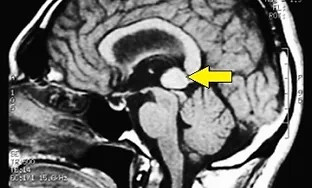
data-tip="Botulinum toxin may be considered, but only after establishing a certain diagnosis, which cannot be formulated within a monothematic odontological culture. A patient with 15 years of bruxism, previously treated with bite splints by other colleagues, came to our observation within the local Masticationpedia Network, where the cause of grinding was identified as a pineal cavernoma. The diagnosis was rapid and reliable thanks to trigeminal electrophysiology, particularly a test known as the 'Recovery Cycle of the Masseter Inhibitory Reflex', which reveals the neuronal excitability state."> | |||
Bruxism and Botulinum Toxin | |||
</span> | |||
</div> | |||
<div class="mp-pattern-tag">Trigeminal Electrophysiology</div> | |||
</div> | |||
<!-- CARD 2 --> | |||
<div class="mp-pattern-card"> | |||
<img class="mp-pattern-img" src="/wiki/Special:FilePath/Meningioma 5 by Gianni Frisardi.jpeg" alt="Temporomandibular Disorders"> | |||
<div class="mp-pattern-title"> | |||
<span class="mp-tt" | |||
data-tip="Caution is required when interpreting postural disorders as a consequence of malocclusion, as this may lead to underestimating the true clinical condition. A patient previously treated by other colleagues for a postural disorder attributed to malocclusion was immediately subjected to trigeminal electrophysiological testing, which unequivocally directed the diagnosis toward an organic encephalic pathology. Magnetic resonance imaging revealed a large meningioma at the skull base, with cerebellar and mesencephalic functional consequences."> | |||
Occlusion and Posture | |||
</span> | |||
</div> | |||
<div class="mp-pattern-tag">Neurophysiology</div> | |||
</div> | |||
<!-- CARD 3 --> | |||
<div class="mp-pattern-card"> | |||
<img class="mp-pattern-img" src="/wiki/Special:FilePath/File:Clicker 00.jpg" alt="Temporomandibular Disorders"> | |||
<div class="mp-pattern-title"> | |||
<span class="mp-tt" | |||
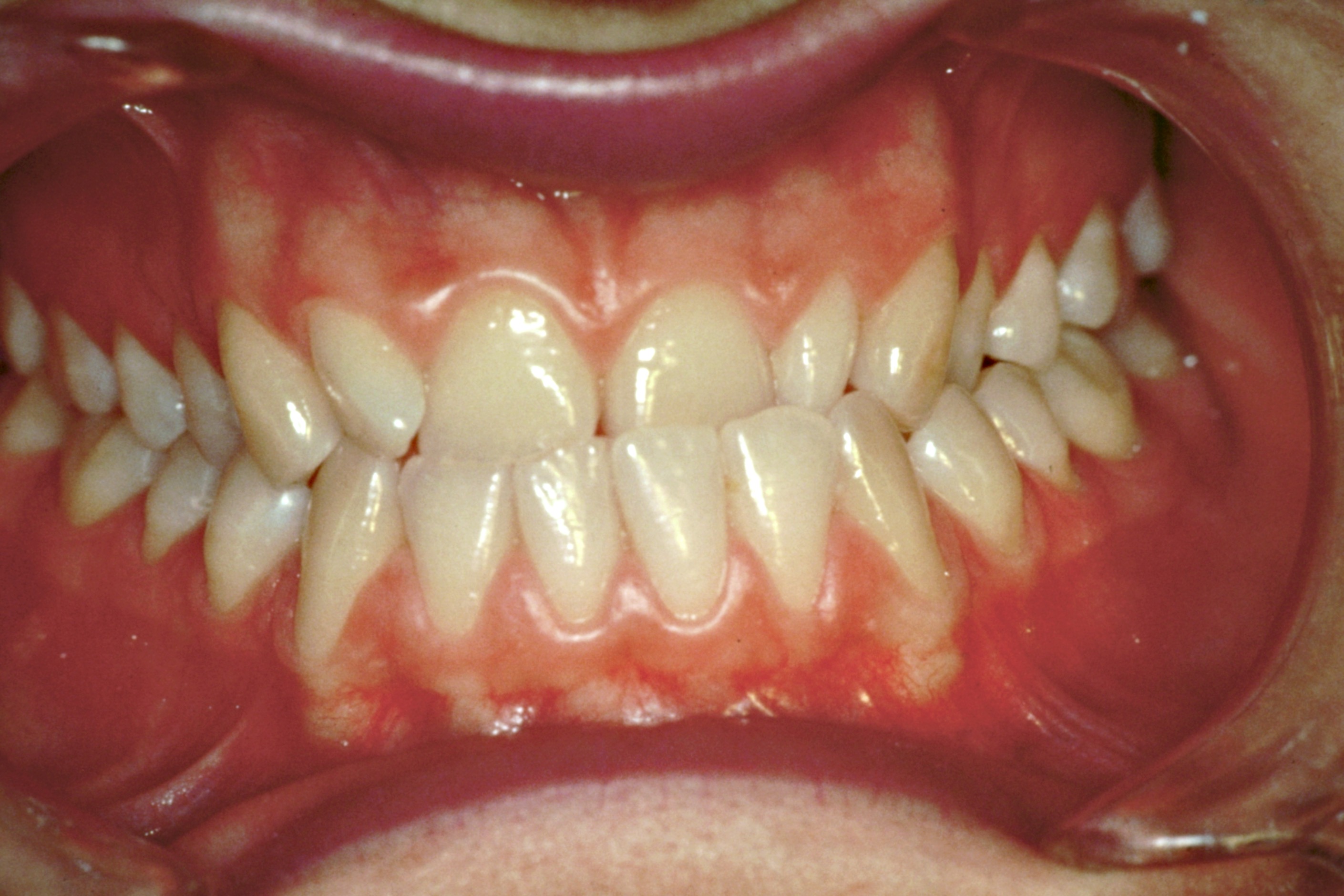
data-tip="A patient reporting joint noises and pain, presenting a pseudo-Class III occlusion due to anterior precontact. Through the execution of Neuro-Evoked Centric positioning of the trigeminal roots—a technology not available in routine dentistry—it was possible to finalize prosthetic rehabilitation in a short time with full restoration of masticatory function. Trigeminal neuromotor responses are state-dependent and emerge from a complex system, not from isolated anatomical or morphological configurations."> | |||
Temporomandibular Disorders | |||
</span> | |||
</div> | |||
<div class="mp-pattern-tag">Neuro-Evoked Centric</div> | |||
</div> | |||
<!-- CARD 4 --> | |||
<div class="mp-pattern-card"> | |||
<img class="mp-pattern-img" src="/wiki/Special:FilePath/Agliotta under 2MB.jpg" alt="Implant-Prosthetic Rehabilitation"> | |||
<div class="mp-pattern-title"> | |||
<span class="mp-tt" | |||
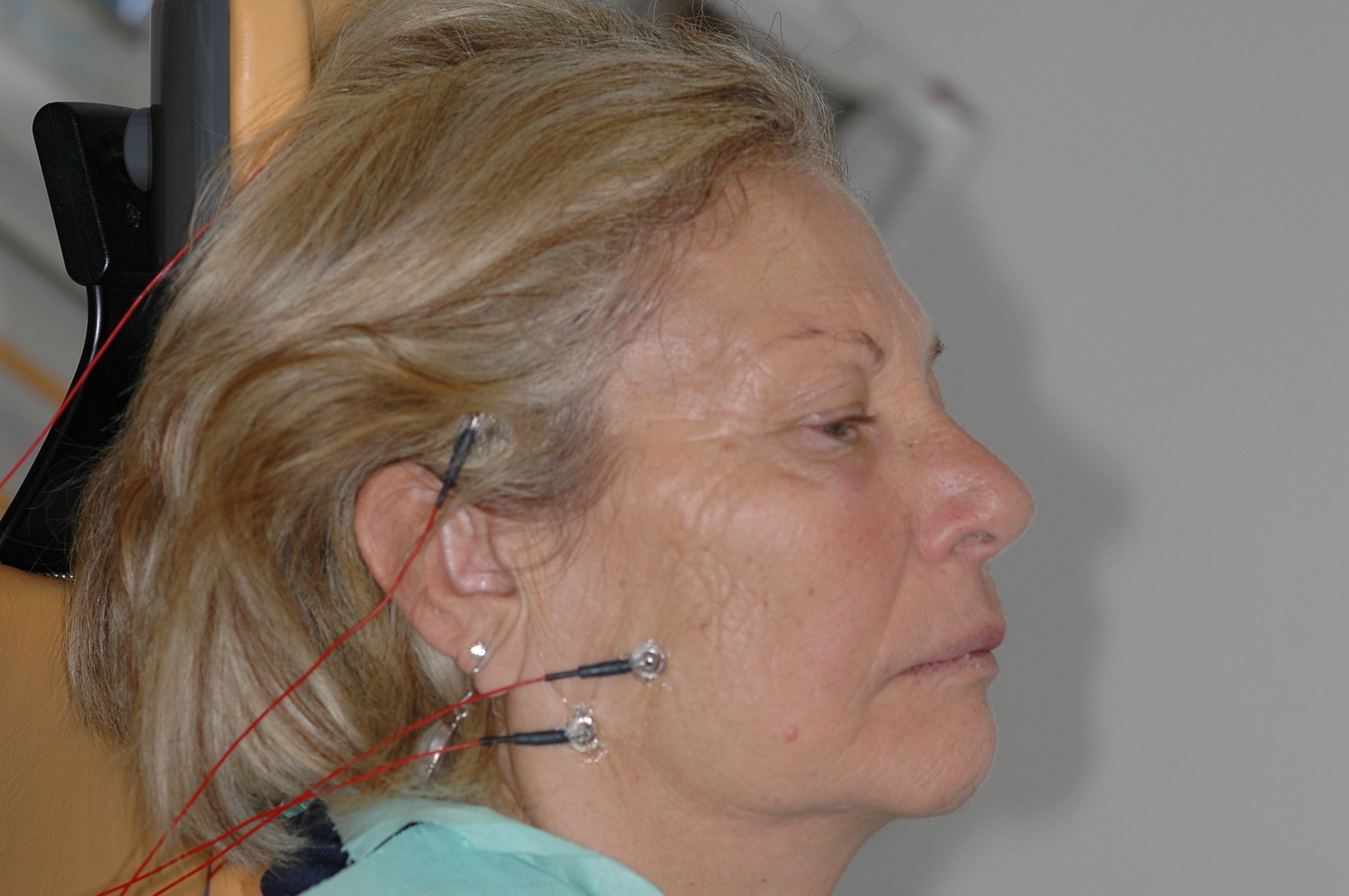
data-tip="In authorized Masticationpedia Network centers, implant-prosthetic rehabilitations are performed by prioritizing neuromotor control of the masticatory muscles, a parameter often neglected in routine dental practice. Occlusal positioning is determined through transcranial electrical stimulation of the trigeminal roots, which evokes a spatial response perfectly overlapping the natural one, avoiding mechanical interference from manual maneuvers performed by the dentist."> | |||
Implant-Prosthetic Rehabilitation | |||
</span> | |||
</div> | |||
<div class="mp-pattern-tag">Functional Neuro-Gnathology</div> | |||
</div> | |||
<!-- CARD 5 --> | |||
<div class="mp-pattern-card"> | |||
<img class="mp-pattern-img" src="/wiki/Special:FilePath/DSC 7901.JPG" alt="Vertical Dimension"> | |||
<div class="mp-pattern-title"> | |||
<span class="mp-tt" | |||
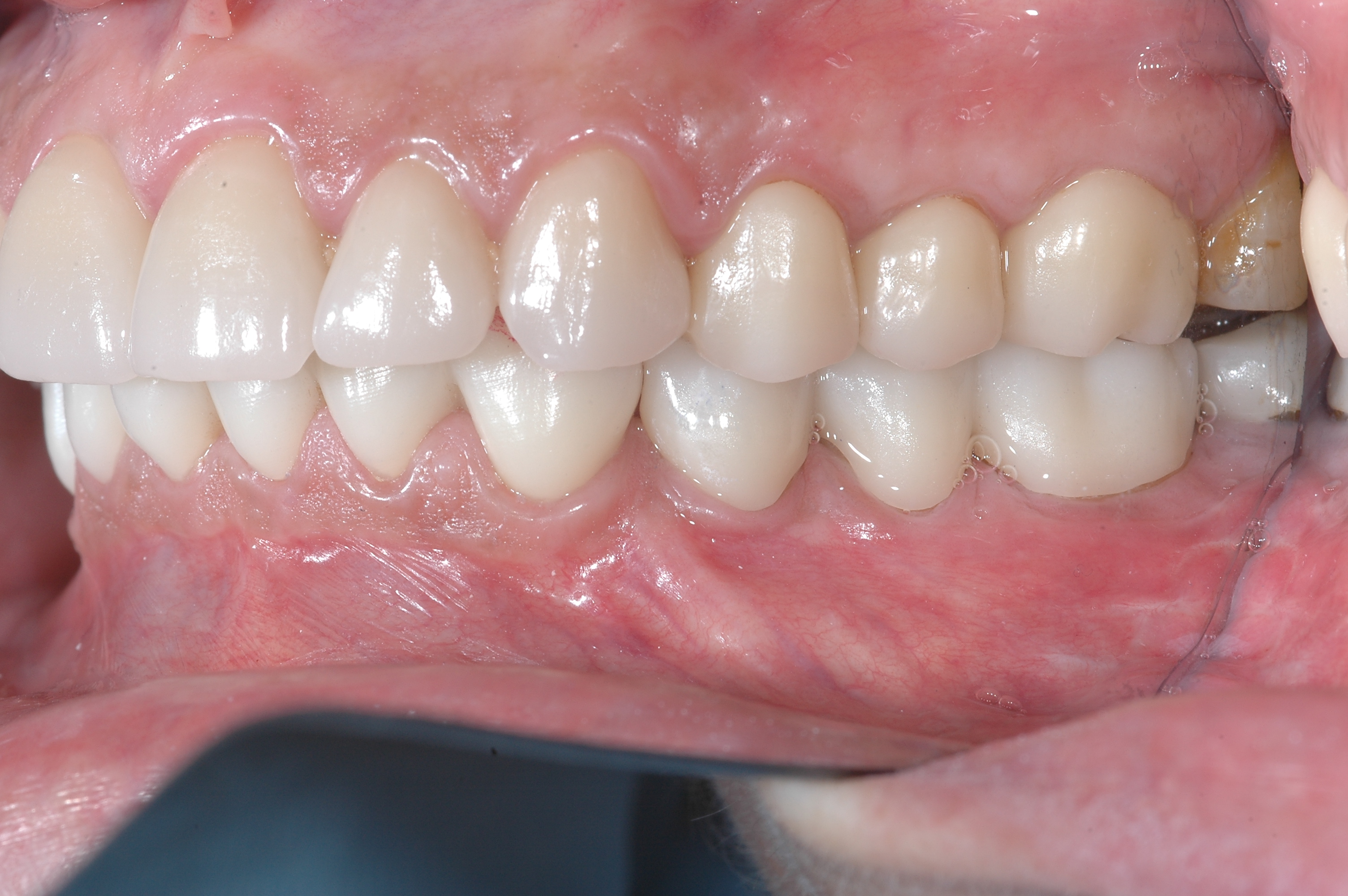
data-tip="Restoration of the occlusal vertical dimension is not an aesthetic procedure, but a neurophysiologically delicate intervention. Increases not guided by functional references may invade the freeway space, a fundamental area for the balance of the masticatory system. In this case, a 4 mm increase was finalized only after normalization of trigeminal reflexes, ensuring a symmetrical and physiological response."> | |||
Occlusal Vertical Dimension | |||
</span> | |||
</div> | |||
<div class="mp-pattern-tag">Functional Neuro-Gnathology</div> | |||
</div> | |||
<!-- CARD 6 --> | |||
<div class="mp-pattern-card"> | |||
<img class="mp-pattern-img" src="/wiki/Special:FilePath/Ronci p 034.jpg" alt="Fixed Orthodontic Treatments"> | |||
<div class="mp-pattern-title"> | |||
<span class="mp-tt" | |||
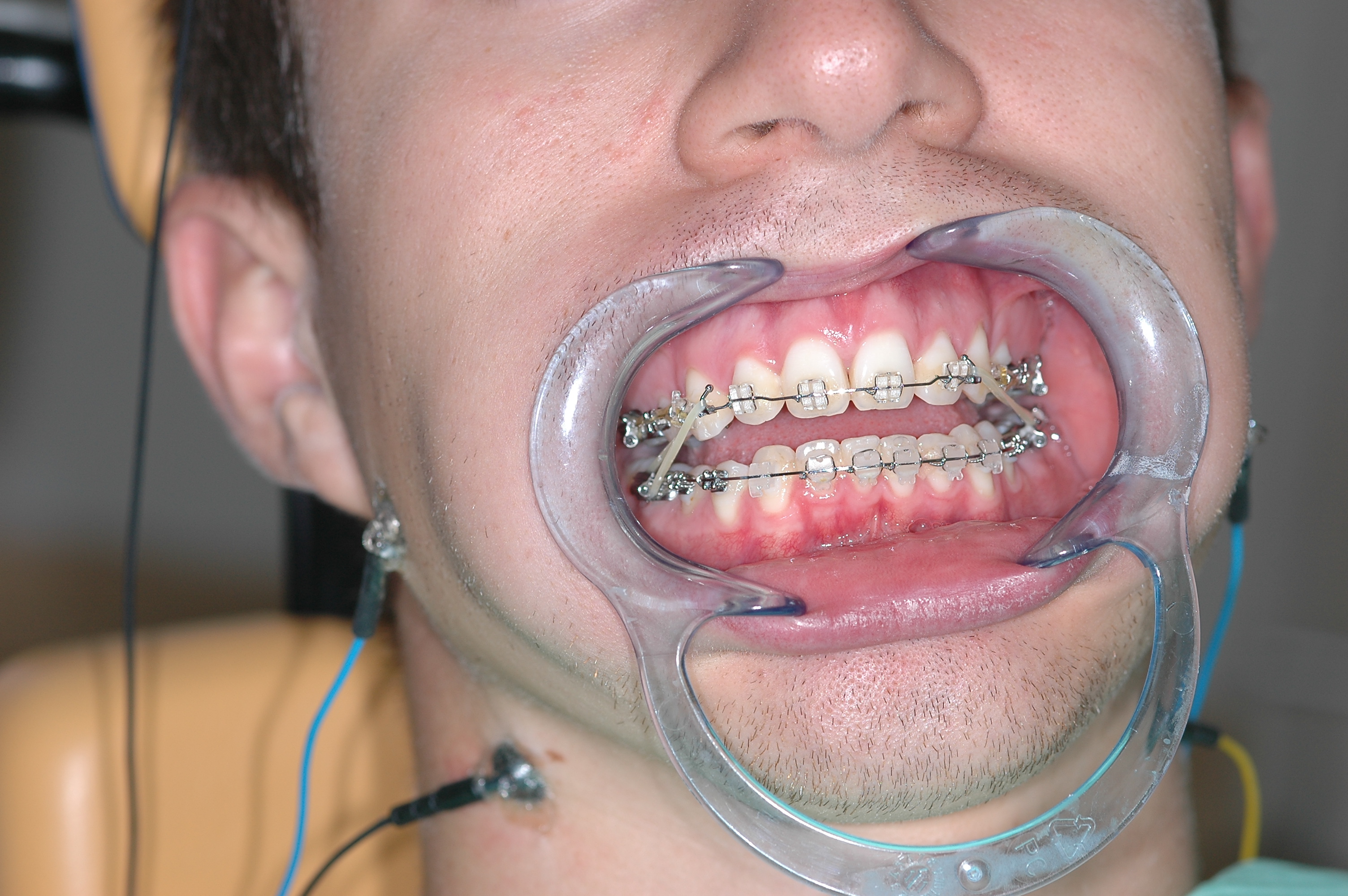
data-tip="In Masticationpedia Network centers, every treatment is guided by function, not aesthetics. Orthodontic movements respect trigeminal neuromotor functions regulating mastication. Aesthetics is a consequence of functional balance, not its starting point. Every modification is monitored through electrophysiological testing: any asymmetry indicates the need to correct the therapeutic pathway."> | |||
Fixed Orthodontics | |||
</span> | |||
</div> | |||
<div class="mp-pattern-tag">Neuro Ortho-Gnathodontics</div> | |||
</div> | |||
<!-- CARD 7 --> | |||
<div class="mp-pattern-card"> | |||
<img class="mp-pattern-img" src="/wiki/Special:FilePath/Epoc-0032 refined.jpg" alt="Interceptive Orthodontics"> | |||
<div class="mp-pattern-title"> | |||
<span class="mp-tt" | |||
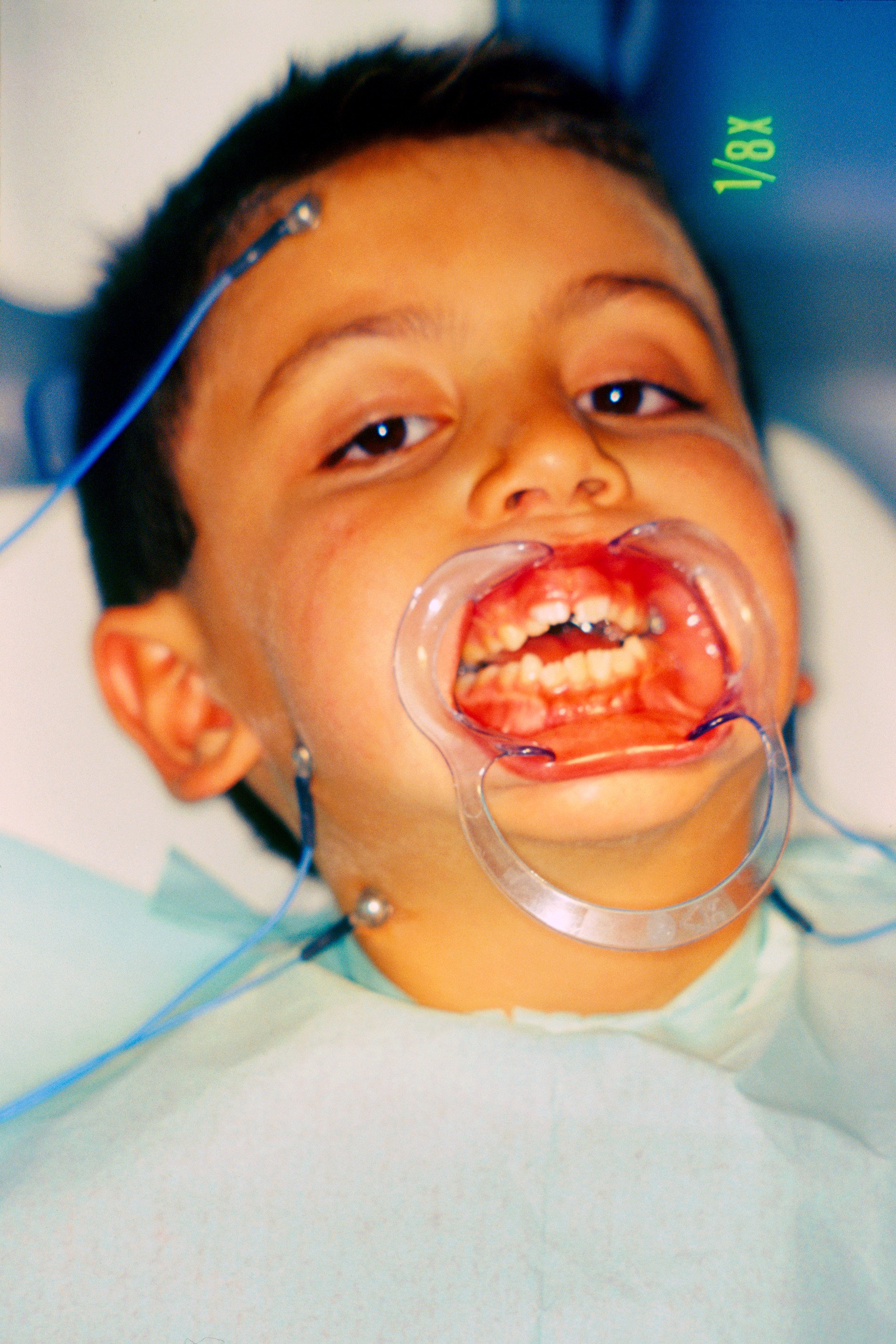
data-tip="Interceptive orthodontics intervenes early to guide harmonious growth of the masticatory system. Trigeminal neurophysiological control ensures that every modification respects neuromotor functions, preventing compensations and future dysfunctions. In Masticationpedia Network centers, treatment never proceeds blindly. Throughout therapy, trigeminal reflex responses are regularly tested to verify correct neuromotor adaptation."> | |||
Interceptive Orthodontics | |||
</span> | |||
</div> | |||
<div class="mp-pattern-tag">Neuro Interceptive Orthodontics</div> | |||
</div> | |||
</div> | |||
</div> | |||
</div> | </div> | ||
</html> | |||
< | |||
<div style="font-size:0.82em; color:#7a8796; margin-top:6px; text-align:center;"> | |||
Scroll horizontally to view all patterns. | |||
</div> | |||
<html> | |||
</ | <div style="text-align:center; margin:18px 0 8px 0;"> | ||
<a href="https://maps.google.com/?q=Frisardi%20Masticationpedia%20Network%2C%20Nettuno" | |||
target="_blank" | |||
style=" | |||
display:inline-block; | |||
background:#1a1a1a; | |||
color:#ffffff; | |||
padding:14px 26px; | |||
border-radius:12px; | |||
text-decoration:none; | |||
font-size:1rem; | |||
font-weight:700; | |||
box-shadow:0 10px 22px rgba(0,0,0,0.15); | |||
"> | |||
📍 Book an appointment at Frisardi Masticationpedia Network | |||
</a> | |||
</div> | </div> | ||
</html> | |||
</div> | |||
---- | |||
<html> | |||
<div class="mp-readable" style="margin:26px auto 0; max-width:1100px; padding:18px 20px; background:#fffdf6; | |||
border-radius:14px; border:1px solid #efe3c6; line-height:1.6;"> | |||
<b>🎓 Academy (Education & methodological exchange)</b><br> | |||
< | Training activities (meetings, programs, modules) are published on the dedicated <b>Masticationpedia Academy</b> page.<br> | ||
Training provides cultural and methodological support: it <b>does not determine</b> affiliation and <b>does not grant</b> visibility within the Network.<br><br> | |||
<a href="/wiki/Masticationpedia_Academy" | |||
style="display:inline-block; padding:10px 14px; border-radius:10px; text-decoration:none; | |||
background:#1a1a1a; color:#fff; font-weight:700;"> | |||
Go to Masticationpedia Academy → | |||
</a> | |||
</div> | |||
</hmtl> | |||
---- | |||
<html> | |||
<div style="max-width:1500px; margin:40px auto;"> | |||
<iframe | |||
src="https://www.google.com/maps/embed?pb=!1m18!1m12!1m3!1d2990.1488195198076!2d12.661934577334327!3d41.45768747129104!2m3!1f0!2f0!3f0!3m2!1i1024!2i768!4f13.1!3m3!1m2!1s0x1325a347526bbd95%3A0x2c82e851fb86952d!2sFrisardi%20Masticationpedia%20Network!5e0!3m2!1sit!2sit!4v1767359763557!5m2!1sit!2sit" | |||
width="100%" | |||
height="520" | |||
style="border:0; border-radius:14px;" | |||
loading="lazy" | |||
referrerpolicy="no-referrer-when-downgrade" | |||
allowfullscreen> | |||
</iframe> | |||
</div> | |||
</html> | |||
Versione attuale delle 10:21, 26 gen 2026



Frisardi
Masticationpedia Network
(Nettuno)

MD in Medicine and Surgery (1983) and Specialist in Odontostomatology (1987), “La Sapienza” University of Rome.

The direct social benefit of the Masticationpedia Network
By virtue of the intrinsic social vocation of the Masticationpedia project, the Frisardi Dental Center, in coherence with the aims of Anglo-Saxon Charities, makes itself available to citizens through a first social initiative: diagnosis in the field of “orofacial pain”.
It is important to clarify from the outset, in order to ensure transparency of intent, that this initiative is strictly connected to the rigor of Anglo-Saxon laws governing the functioning of Charities.
By law, Charities cannot redistribute profits nor remunerate trustees, who are in fact the founding members. This initiative therefore represents a direct social benefit, and the contribution of the professionals who share it is essentially an ethical and personal choice. Naturally, all activities will be proportionate to the number of patients requesting the service and to the economic resources available to the Charity.
🇮🇹 The donation procedure is managed via Stripe (English interface).
Patient area
Recurrent diagnostic scenarios observed within the Masticationpedia Network (not individual case reports). All authorized Network centers employ neurophysiological technologies and methodologies that enable early and accurate diagnosis of conditions that mimic odontogenic symptoms, such as Temporomandibular Disorders and Orofacial Pain, which may sometimes conceal underlying neurological and systemic organic damage. Furthermore, the acquired know-how allows precise control and finalization of orthodontic, prosthetic, and implant-prosthetic treatments optimized according to trigeminal neurophysiological responses, rather than being based solely on parameters of form and aesthetics.

Scroll horizontally to view all patterns.
Training activities (meetings, programs, modules) are published on the dedicated Masticationpedia Academy page.
Training provides cultural and methodological support: it does not determine affiliation and does not grant visibility within the Network.
Go to Masticationpedia Academy →
----